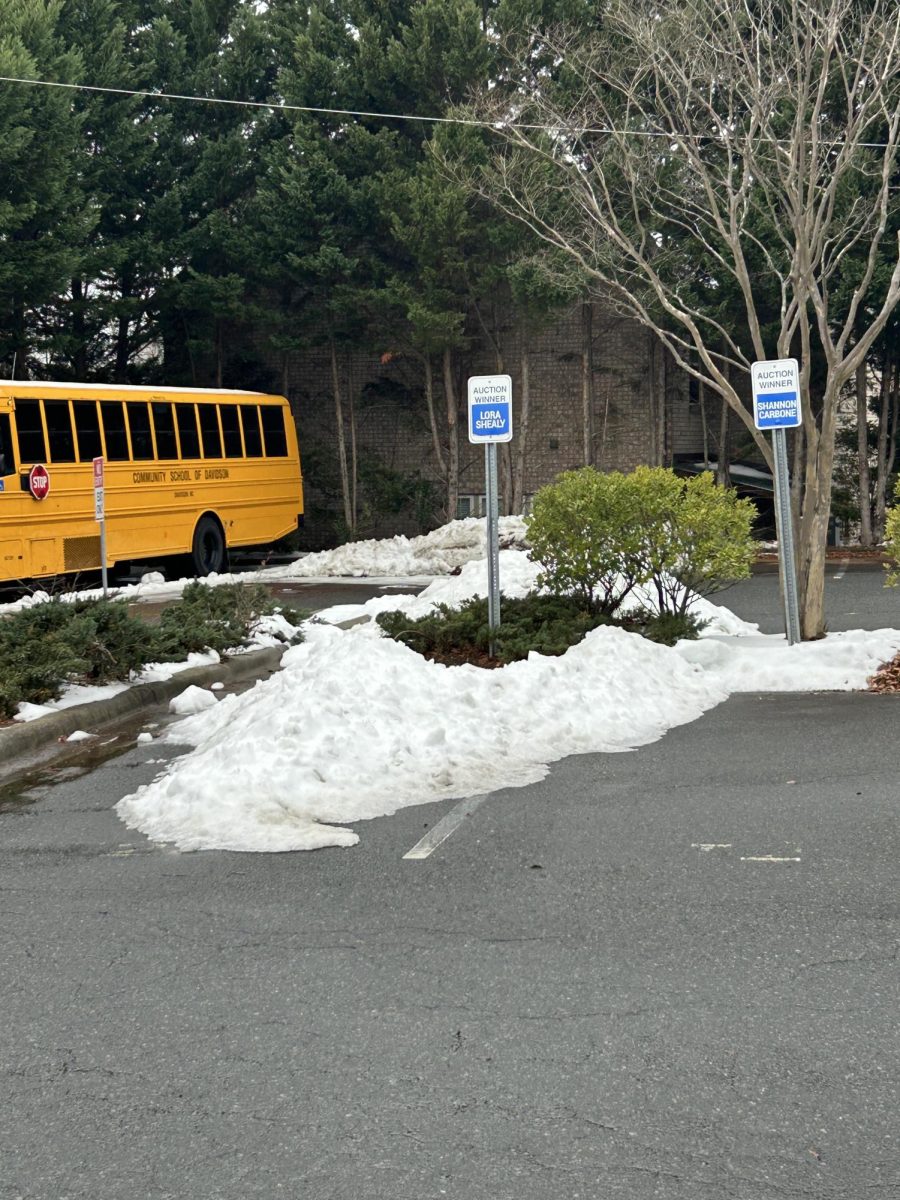

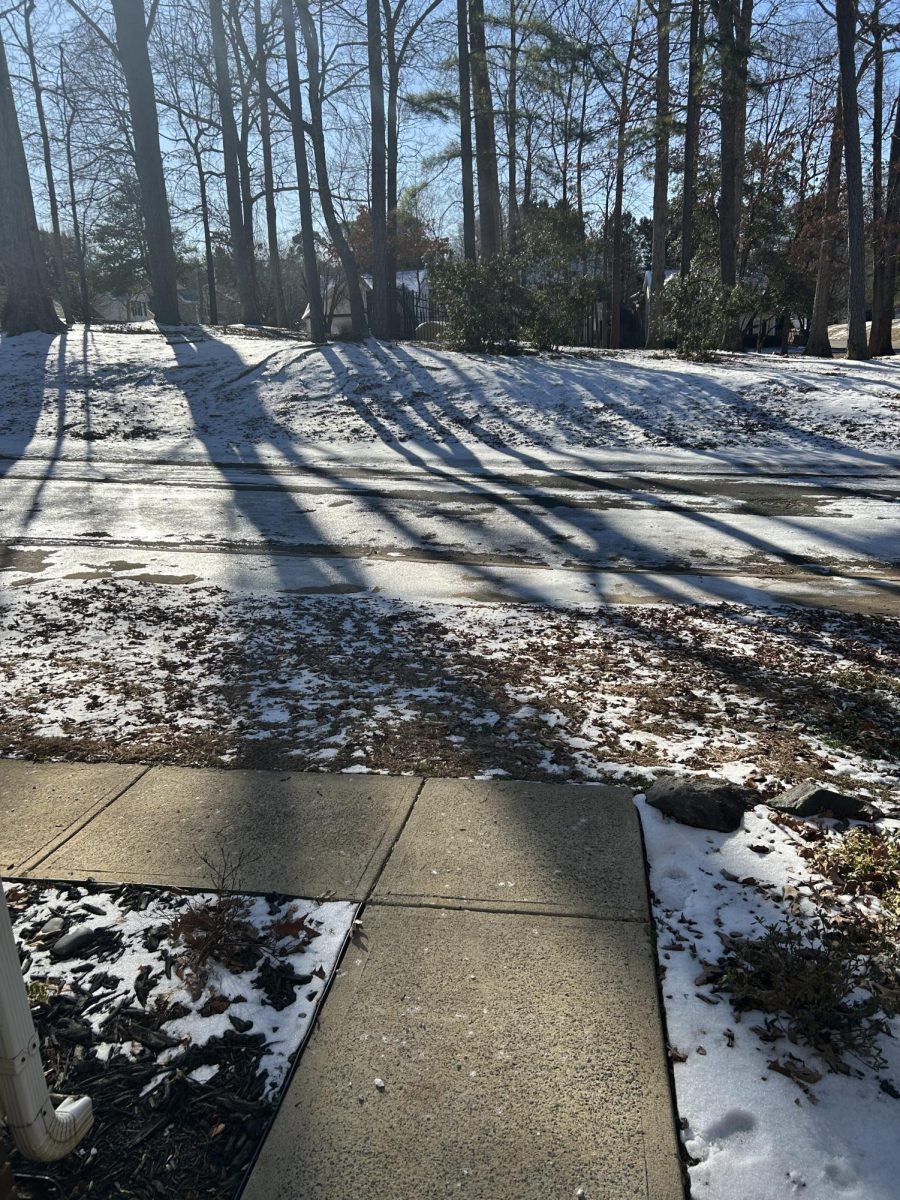
North Carolinians awoke on Sunday, January 25, 2026, to a soft blanket of snow covering the ground. A rare winter wonderland had transformed the otherwise winter grey and dormant surroundings into something magical. Kids grabbed their snow boots while adults grabbed snow shovels. The day seemed like something out of a Norman Rockwell painting.
But below the pretty façade was a sheet of ice, and with it came storm danger. Winter storm Fern, which had been predicted for more than a week, had arrived in the Southeast, bringing snow, sleet, freezing rain plus lasting subzero temperatures which dipped as far south as Florida. To the west, in states like Texas, Louisiana and Tennessee, hundreds of thousands lost power while some states to the north received more than 2 feet of snow.
North and South Carolina, however, were largely spared.
When the snowflakes and frozen precipitation began, citizens across the region were already tired and worn. Days beforehand, the grocery stores were flooded with last-minute shoppers, hoping to find extra flashlights and batteries to prepare for the thought of power outages. Food shelves had been emptied.
Storm buying is one of those things that follows sketchy weather forecasts, but did shoppers go too far for this storm?
Student journalist Dylan Sherman (‘28) did not see the need for residents to buy so much in preparation.
“I think it was unnecessary for entire stores to be cleaned out because people were thinking that it would be the end of the world but it wasn’t. I didn’t even lose power and my entire family was really prepping for it to be that way,” Dylan Sherman said.
Ninth-grade student journalist Carter Burch (‘29) agreed.
“I remember trying to find bread in Publix for it all to be gone when I got there,” Carter Burch said. “Eventually, we found the bread at a different store, even though there was little left.”
Some CSD students chose to take advantage of the storm and get outside to play. Many around the community got to bring back fun snow traditions they had missed.
“I went sledding with my siblings and neighbors on Sunday,” Olivia Cunningham (‘29) said. “We didn’t know where to sled and ended up deciding to just sled in the middle of the road. Even though the snow wasn’t right for snowball fights or building snowmen, I had a lot of fun sledding.”
For students with normally busy schedules, the storm provided a break from responsibility. Many chose to spend this newfound free time with family.
“I snow shoveled my long driveway with my mom and brother. It was a great workout and we celebrated with hot cocoa after,” Juliana Howerton (‘27) said.
However, being stuck in close quarters with family turned out to be too much for some. Especially on Sunday and Monday, when roads were icy and slick, many were stuck inside for better or worse.
“I’ve almost strangled my brothers for not having to leave my house during the storm,” Bailey Lowman (‘27) said.
Life is noisy, but being at home because of winter storm Fern, the physical noises of everyday life weren’t the only ones softened. The isolation lets internal noise, like stress from school or worrying about the future, quiet down. All pressures seemed to get hushed, like a chilly sigh of relief condensing in front of you.
The snow not only absorbed the sound but also allowed people to be absorbed in their thoughts and provided a chance to bounce back into everyday life with renewed energy.
Dylan Sherman simply enjoyed the snow and remote learning days.
“I liked that it gave us some extra time off from school to relax a little bit, which was especially nice. I was able to catch up on some homework, as well, and I got to sleep in a lot,” Sherman said. “Even if it wasn’t technically snow, I still enjoyed having some time off and still got to do everything that I would have if it were real snow. I was hoping that we would get a lot more because it’s very rare to get snow in North Carolina.”
Student journalist Maxwell Shealy (‘26) was thankful for the chance to catch his breath from school after all the snow, too.
“I was grateful for the quiet time the winter storm brought me,” Maxwell Shealy said. “It gave me the chance to relax before some upcoming tests.”
Deciding whether to drive or have the ability to go out or travel during the first few days was a difficult decision for many. On one hand, some wanted the freedom to travel on the first day it snowed to run errands, but others decided it would be safest not to.
Even though there was only a couple of inches of snow, the driving conditions were unsafe, especially on Sunday and Monday. Accidents seem to be far too common in the Mecklenburg area, and with some additional ice, things could have turned deadly.
CSD student journalist Akhilan Kumaran (‘26) said, “I decided it was best not to drive in the weather after talking it over with my parents.”
Luckily, as of 11:37 AM, January 27, 2026 (3 days after the first snowfall), the main roads had cleared quite nicely, and most of the snow was starting to melt.
Sometimes, it’s best to wait for the roads to return to mostly normal conditions before driving again.
Carter Burch believes the snowstorm that was expected to be disastrous did not live up to its name.
“Overall, it was not even that cool, to be honest. It didn’t even stick to the ground for too long, and I couldn’t enjoy making a snowman with minimal snow,” Burch said. “Even though the ice/snow was nice for sledding and perfect for having a super slanted backyard, it was subpar.”
Even though the winter storm didn’t exactly live up to North Carolina’s expectations, there’s no doubt that it snowed more than it has in a while.
With warmer temperatures and sun, life is returning to normal. Some may continue to stay at home if conditions remain icy around their residence, but otherwise, it will be an interesting transition back to school after four days off, including a remote day.