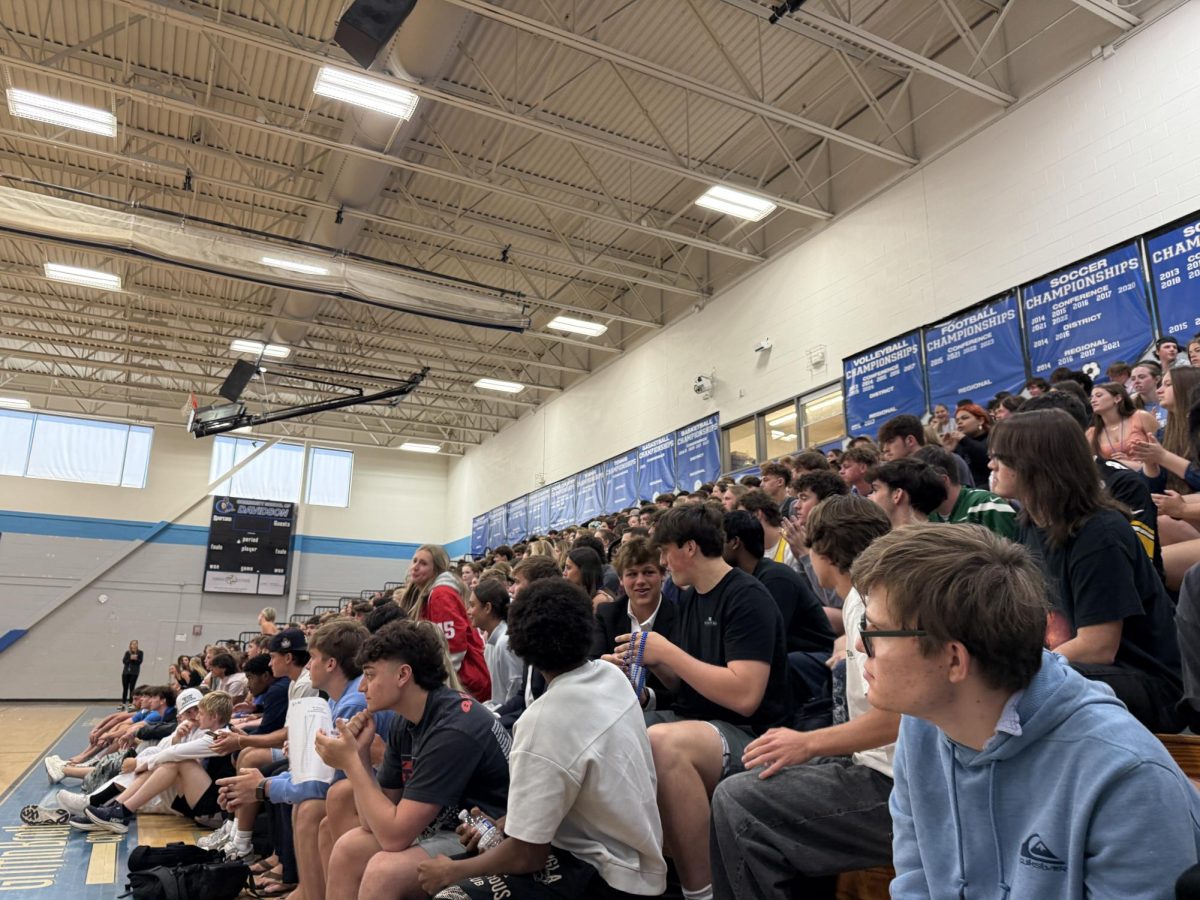


Stress is always an issue that plagues high school students across the country, and it’s no different within the walls of the Community School of Davidson High School (CSD).
Student stress manifests in many ways. Students juggle responsibilities ranging from academics, social life, work, extracurriculars, and sports, and face pressure whenever issues arise within any of these pillars.
Stress can take a toll on the body. When students feel stressed about a specific issue, it can negatively affect their health, both physically and mentally, as they struggle to get sleep and find time to fully recuperate.
Younger people have higher stress related to the pressure. In fact, according to MentalHealth.org.uk, 60% of 18-24-year-olds and 41% of 25-34-year-olds cited this, compared to 17% of 45-54s and 6% of over 55-year-olds.
“Everyone experiences stress, which is your body’s physical and emotional response to new or challenging situations,” says the CDC.
But for seniors, especially, stress hits at a higher level. Seniors, of course, face this issue very prevalently in the year. Still recovering from junior burnout, as well as juggling responsibilities passed down to them from junior year, seniors feel a different and unique form of pressure.
Emily McMullin, CSD Career & College Counselor, knows firsthand the stress that seniors feel through guiding them to college.
“Senior year brings more than just essays, deadlines, and applications. Many students face intense family expectations and the constant pressure of comparing themselves to classmates,” Emily McMullin said. “They must make big decisions about where to go and what steps to take next, while managing the natural worries and uncertainties that come with these important choices.”
She believes this pressure can compound itself and wear down students.
“This invisible weight of stress can take a toll on both their grades and overall well-being,” McMullin said.
For seniors, stress often starts before the first day of school, with thinking about college applications and writing essays.
“When you’ve got a bunch of essays you need to write, on top of challenging schoolwork, it can get to be a lot to manage, ” Akhilan Kumaran (‘26) said.
Some seniors report not going to bed at all before midnight due to the stress of time management.
College applications can take as much time as a full-time job, as students have to spend hours researching colleges, writing essays, extracurricular activities, and answering questions that can take many hours.
College applications are stressful enough, but the early action deadline raises the level. It is only the first of several more upcoming deadlines where seniors may potentially need to face similar stress.
As the November 1st Early Action deadline approaches, which many have already applied to, students have stress maintaining grades while also maintaining extracurriculars, jobs, sports, and other obligations.
Thankfully, this phase is only temporary, but if students find themselves in an overwhelming situation, it’s always important to consider applying during the regular deadline, especially so you can put your best foot forward in the application process.
To make this worse, many students have to juggle college applications while dealing with both a social and academic change, as students not only take some of the hardest classes offered, but also engage more socially as they know that time in high school is running out.
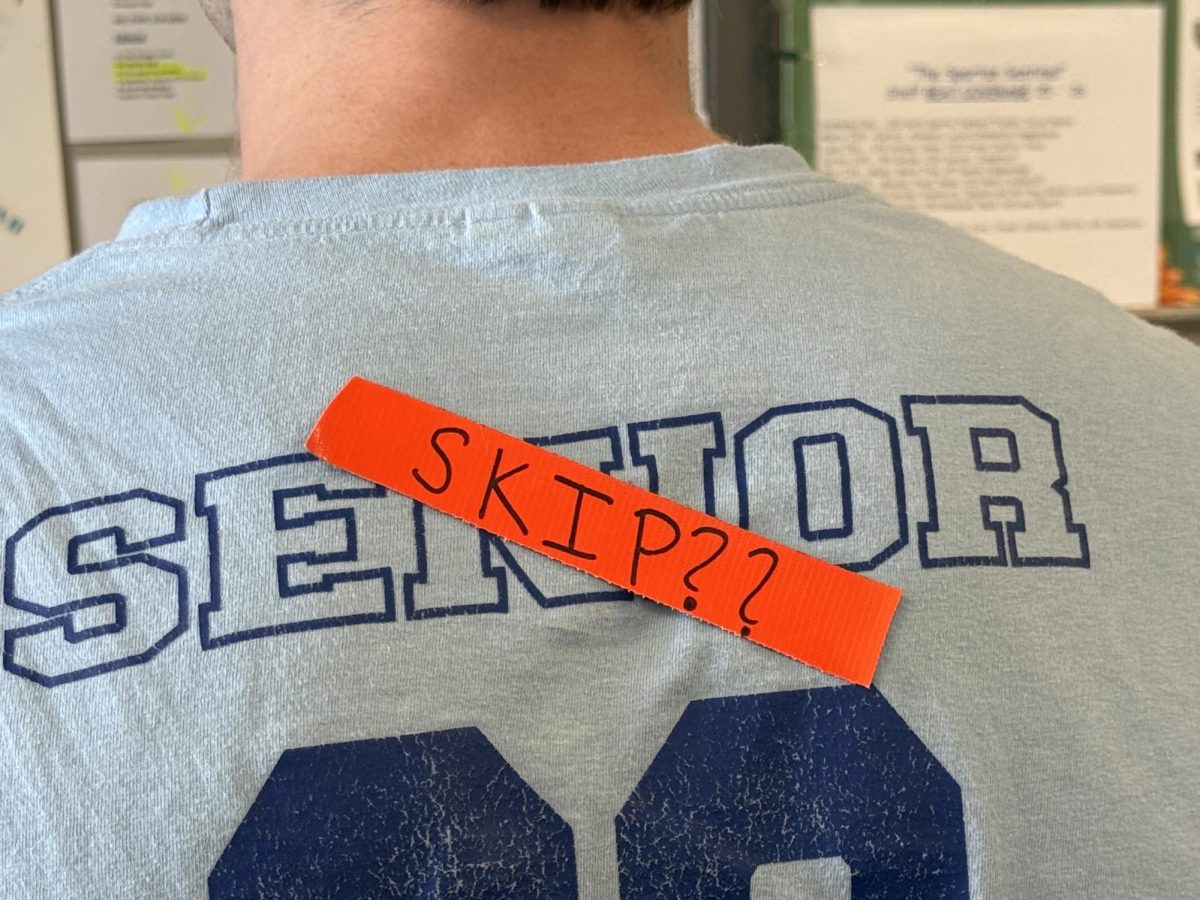
And there is the stereotypical slump known as “Senioritis.”
According to Southern New Hampshire University, Senioritis is defined as “a common affliction describing the lack of motivation felt by students who are reaching the end of their courses.”
Senioritis can lead to lower motivation for schoolwork. For most, senioritis is hard to imagine and sometimes even denied upon leading up to senior year, but it is a very real thing among seniors.
Once you mentally have the picture that you are in a transitional phase in high school, students’ motivation and stress levels fluctuate, even though they can be unhealthy.
There are strategies for managing stress. According to the CDC, there are several strategies to manage stress. They include: Making time to unwind, Taking deep breaths, stretching, or meditating, keeping a journal, spending time outdoors, either being active or relaxing, and trying to do some other relaxing activities you enjoy.
But sometimes, through all the pressure and all the demands of senior year, attitude and approach can be your best friend.
Garret Tingen (‘26) helps lighten the mood.
He said in wise words, “If you don’t think, you won’t be stressed.”
The stress is there and it won’t go away, but sometimes it is the words that friends share that help the most. They can help remind seniors that sometimes we overthink some of the stress we face.