
As the school year begins, students are excited to show off their new back-to-school outfits, eager to make a stylish first impression. Light and breathable fabrics, along with trendy pieces, are super popular in the first few weeks, showing off the last bits of summer warmth. Bright colors, shorts, skirts and open-toed shoes are favorites, too, capturing a feeling of freedom and excitement for the new school year.
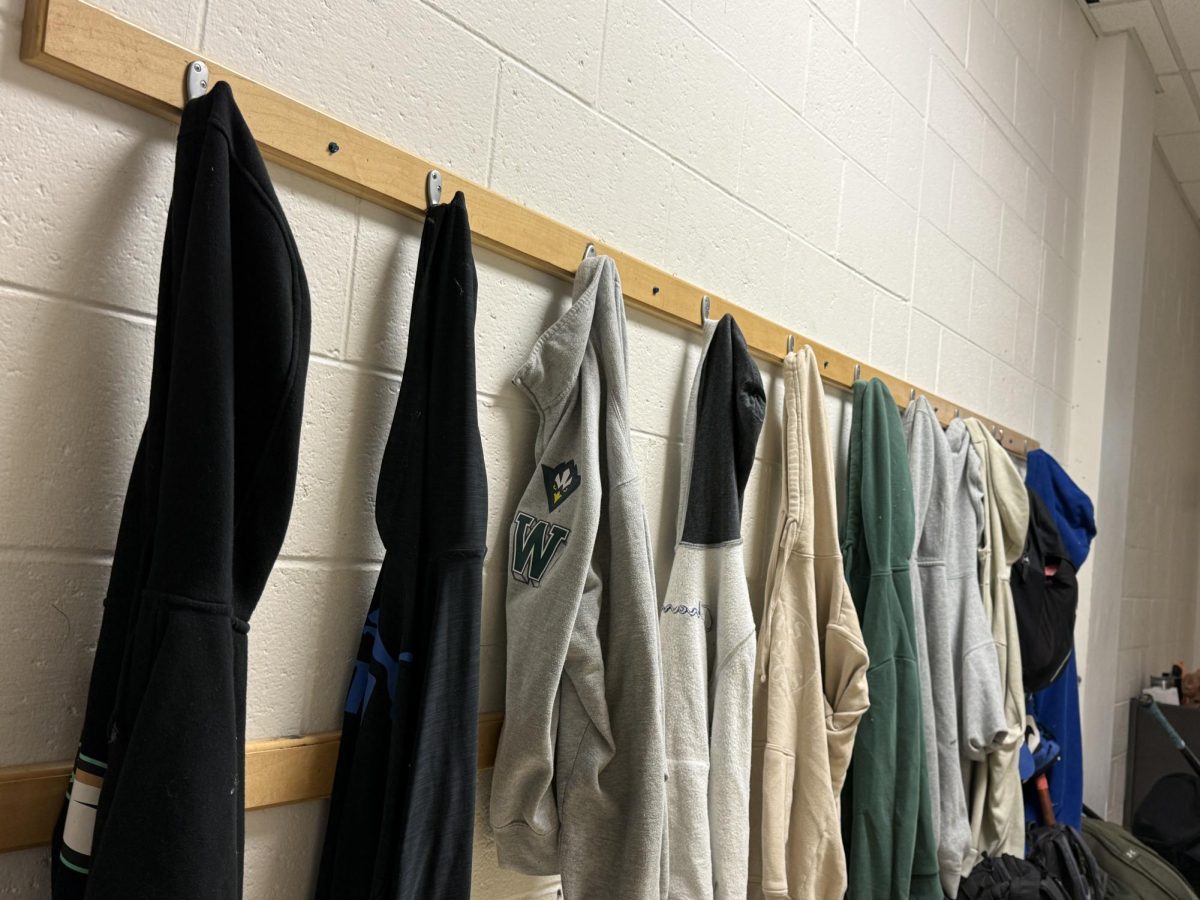
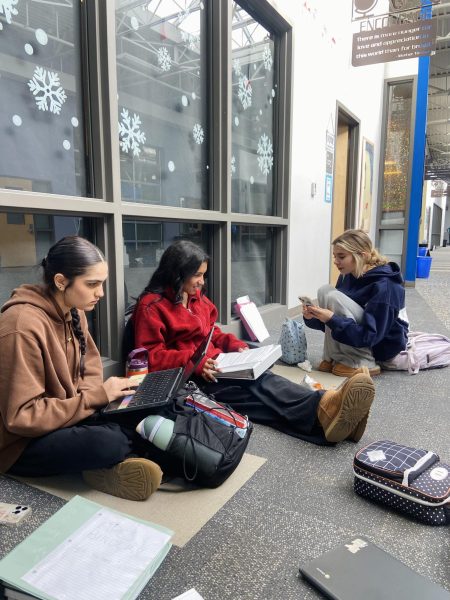
However, as the days get shorter and colder, student clothing choices start to change a lot. The focus shifts from trendy styles to practical warmth and comfort. Layering becomes really important, with sweaters, hoodies and jackets replacing lighter tops.
Senior Liam Hogan (‘26) was asked if it is easier to dress for school in summer or winter.
“It’s easier to dress in the summer because I can wear less clothes, however, I like dressing for the winter better because the clothes are more cozy,” Liam Hogan said.
When winter fully arrives, darker, more muted colors begin to take over, reflecting the changing scenery and the need for cozy, warm clothes. Being warm becomes more important than looking stylish.
Heavy coats, sweatshirts and sweatpants are must-haves for dealing with the cold.
Akhilan Kumaran (‘26) was asked how his closet changed once it hit winter.
“I’ve got a lot more sweaters, hoodies and jackets. I try to dress to stay warm during the winter.” Akhilan Kumaran said.
Remember that first day flair? It fully transforms to survival once snow and ice arrives. Students concentrate on staying warm and protected from the weather, often picking insulated shoes and thick socks to battle the freezing temperatures. The focus shifts from making a fashion statement to prioritizing comfort and safety during the harsh winter months.
Comfort does affect learning; it can make learning easier because they’re relaxed. According to Kare Enterprise, comfort is directly linked to cognitive function. A child who feels cold in class is naturally distracted — shivering, fidgeting, or unable to focus on the lesson being taught. Studies have shown that when the body expends extra energy to stay warm, it has fewer resources available for mental tasks like problem-solving, comprehension, and memory.
Dressing warm and comfortably makes learning easier as the weather begins to change and get colder.
(Kennedy Donley)